Navigating Contradictions: Immigration Policies and Real Estate Affordability
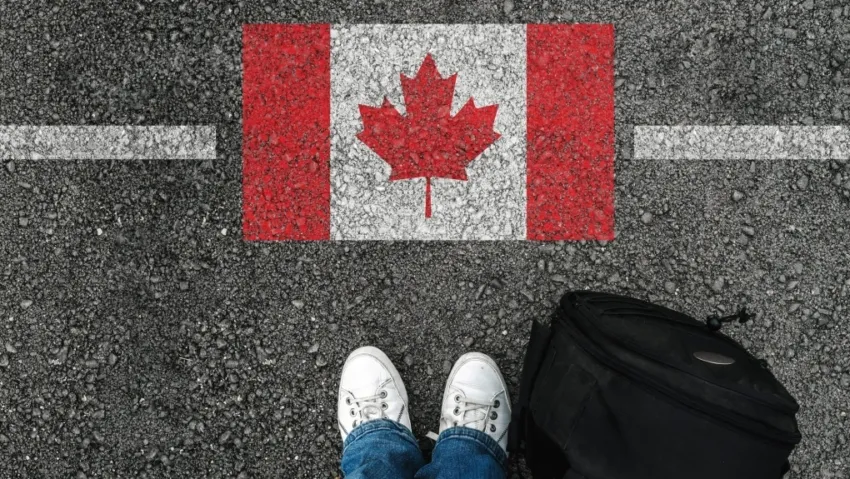
In the realm of real estate, recent government actions have sparked discussions about affordability, immigration policies, and their impact on communities. On one hand, there's a push to address housing affordability by restricting temporary workers, while on the other, plans are underway to welcome record-high numbers of new immigrants alongside a significant carbon tax hike. These seemingly conflicting strategies raise important questions about their collective impact on real estate dynamics and the human experience.
The government's move to limit temporary workers, as reported by CBC, is aimed at alleviating housing pressures and fostering sustainable growth. However, this approach intersects with plans to increase immigration levels, as highlighted by Global News, potentially affecting housing demand and affordability in the market.
Moreover, the impending carbon tax hike, detailed by CTV News, adds another layer of complexity. While aimed at environmental stewardship, the hike may ripple through various sectors, impacting household budgets and investment decisions in real estate.
This juxtaposition of policies underscores the intricate balance between economic growth, environmental responsibility, and housing affordability. As individuals and communities navigate these shifts, it becomes crucial to consider the human aspect—the families seeking affordable homes, the investors weighing market conditions, and the communities shaping their futures amidst evolving government strategies.
In this dynamic landscape, real estate professionals, policymakers, and residents alike are tasked with finding holistic solutions that reconcile competing priorities, foster inclusive growth, and ensure sustainable development for generations to come.