Renting vs. Owning a Home: What’s the Difference?
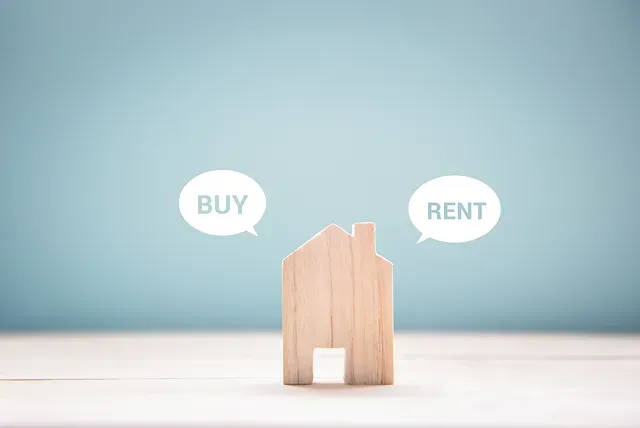
Renting vs. Owning a Home: What's the Difference?
Overview
Choosing whether to rent or buy a home is a significant decision that impacts your financial health, lifestyle, and personal goals. Both options require a regular income to cover payments and associated costs, but they have distinct differences. Renting offers flexibility and fewer responsibilities, while homeownership provides stability and long-term investment opportunities.
Key Points to Consider
-
Financial Situation
- Renting: Provides predictable monthly expenses, as rent is usually set in the lease agreement. Additional costs, like utilities, may be included. However, renters may face periodic rent increases, especially in high-demand areas.
- Owning: Involves upfront costs like down payments and closing fees. Monthly mortgage payments might initially be higher, and homeowners must also budget for property taxes, maintenance, and unexpected repairs.
-
Flexibility vs. Stability
- Renting: Offers the flexibility to move when the lease ends. Ideal for those who might need to relocate for work or personal reasons. However, renters can be forced to move if the landlord sells the property or increases the rent beyond their budget.
- Owning: Provides a sense of stability and pride. Homeowners can customize their living space and are not subject to rent increases. However, selling a home can be time-consuming and costly, particularly in a down market.
-
Building Equity
- Renting: Rent payments do not contribute to building equity. The money spent on rent is often seen as an expense without long-term financial return.
- Owning: Mortgage payments contribute to building equity over time. Homeownership can be a form of forced savings, with the potential for property appreciation. However, homeowners must also consider market fluctuations that can affect property values.
-
Tax Benefits
- Renting: Renters do not receive tax benefits associated with housing. They can only claim standard deductions.
- Owning: Homeowners can benefit from tax deductions on mortgage interest and property taxes, which can offset some costs, especially in the early years of a mortgage.
-
Maintenance and Repairs
- Renting: Landlords are typically responsible for repairs and maintenance, reducing the tenant's responsibilities and costs.
- Owning: Homeowners are responsible for all maintenance and repairs, which can be costly and time-consuming. Budgeting for these expenses is crucial to avoid financial strain.
Current Trends in Homeownership
In 2024, homeownership in Toronto has declined to about 50% due to high property prices and elevated interest rates. However, the current market is favorable for buyers, making it a good time to consider purchasing a home. Real estate prices are always changing, and this buyer's market offers opportunities for those ready to invest.
Changes in Rental Prices
Rental prices in Toronto have increased significantly, with the average rent for a one-bedroom apartment at approximately $2,441 and $3,139 for a two-bedroom. This reflects the high demand and limited supply in the rental market, making renting an increasingly costly option.
The Reality of Renting
While renting provides flexibility, rising rents and the potential for sudden moves due to landlord decisions add uncertainty. Renters might also have to move further from the city to find affordable housing, impacting their lifestyle and convenience.
Benefits of Homeownership
- Building Equity: Homeownership allows you to build equity and potentially benefit from property appreciation.
- Tax Advantages: Homeowners can benefit from mortgage interest and property tax deductions.
- Stability and Security: Owning a home provides stability, eliminating the risk of rent increases or sudden eviction.
- Long-term Savings: Owning can be more cost-effective in the long run, with monthly payments contributing to equity rather than simply being expenses.
- Hedge Against Inflation: Real estate often acts as a hedge against inflation, with property values and rental prices typically increasing over time.
Personal Circumstances
Renting offers benefits like flexibility and lower upfront costs, suitable for those with uncertain long-term plans or who value mobility. Homeownership is often better for families seeking stability and long-term financial growth.
Government Policies and Investment
Government incentives and tax benefits often favor homeownership, making it attractive for long-term wealth building. While investing in stocks is also viable, real estate provides personal benefits, such as living in and enjoying the property.
Conclusion
The decision to rent or own a home depends on individual financial situations, lifestyle, and personal goals. While renting offers flexibility, the benefits of homeownership, such as building equity and stability, often make it the better option in the long run. Understanding current market trends and personal circumstances can help make the best choice.