You’re Not the Black Sheep — And That’s Okay
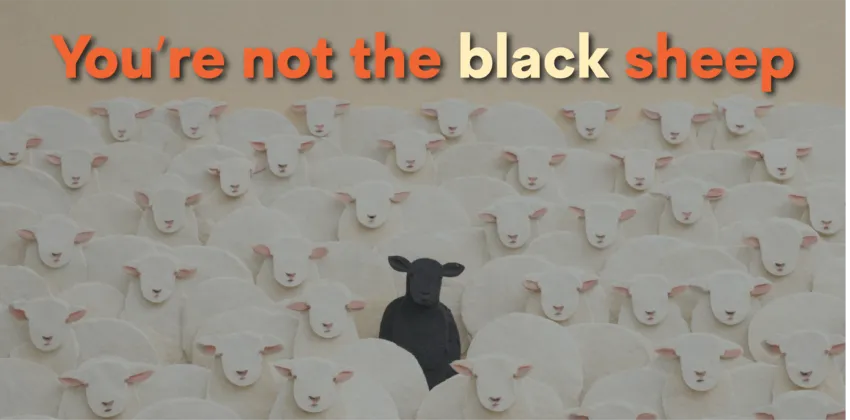
I started reading The Black Swan by Nassim Nicholas Taleb recently, and it did something I didn’t expect — it made me question how much control I really think I have. The book revolves around a simple but uncomfortable idea: the biggest events that shape our lives are unpredictable, and once they happen, we rush to create explanations that make them feel obvious. COVID. Rate hikes. Market booms. Market corrections. After the fact, we all say, “Of course.” But in real time, nobody truly knows.
What struck me most wasn’t just the unpredictability — it was Taleb’s explanation of human behavior. We love to believe we think independently, that we don’t follow the crowd, that we’re immune to headlines and hype. But when everyone around us is buying, it feels safer to buy. When everyone is nervous, it feels safer to wait. That instinct isn’t weakness; it’s survival. Humans evolved by moving together. Being part of the herd kept us alive.
The real mistake isn’t belonging to the herd. It’s believing the herd can forecast the future. We chase the next big thing because it feels intelligent. We try to time markets because it feels strategic. But often, we’re just reacting to narratives that will be rewritten later.
Reading this book made something click for me: instead of trying to predict what’s coming next, maybe the smarter move is to build a life that doesn’t depend on being right. Luck is powerful, but luck isn’t a plan. Trends are exciting, but trends don’t guarantee stability. What we can control is margin, flexibility, long-term thinking — decisions that still make sense even if something unexpected happens.
You don’t need to be the black sheep. You don’t need to outsmart the cycle. You just need a structure that holds when the world surprises you — because eventually, it always does.